Find out where trust is built — and where journeys break down
We measure the experience of customers, patients, and plan members to show which service moments drive satisfaction, loyalty, and access — and which complaints are loud but not decisive.
Who it is for: Service, quality, and experience leaders in healthcare, care management, and consumer organizations who need to know where to intervene first.
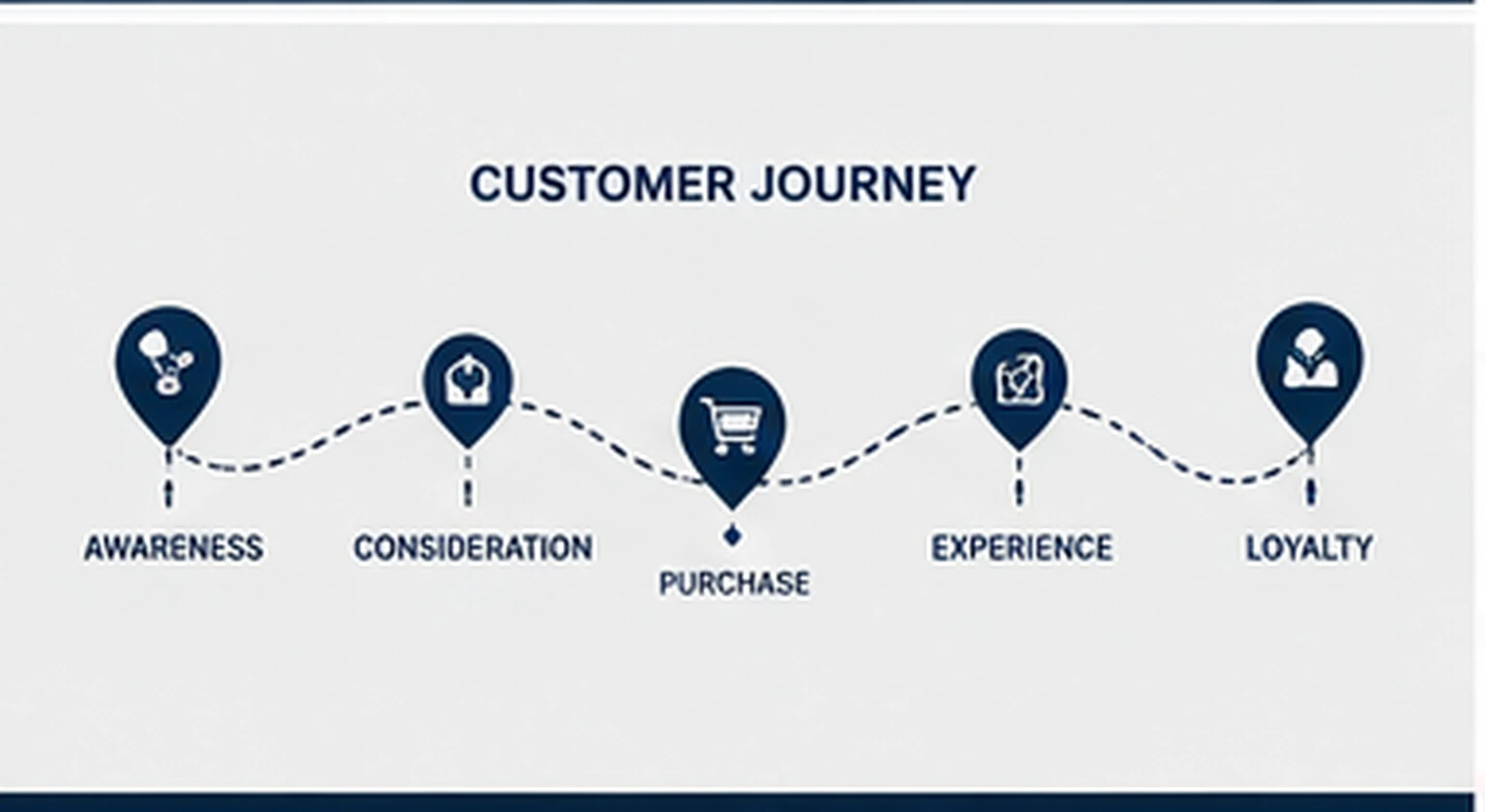
Decisions this research supports
- Which service moments most strongly shape satisfaction and retention
- Where access barriers actually stop people — before they ever complain
- Whether a service change improved experience or just changed the paperwork
- How experience differs across populations the averages hide
- What drives loyalty beyond a single NPS number
Capabilities
- Customer satisfaction research
- Patient and member experience studies
- Access and service-barrier research
- Loyalty and retention analysis
- Customer journey mapping
- Service recovery research
- NPS programs — positioned as one metric within a design, not a research strategy by itself
Typical methods
- Survey designs adapted to hard-to-reach and vulnerable populations
- Multi-mode fielding (online, phone, paper) where the audience requires it
- Journey-stage measurement tied to operational touchpoints
- Key-driver analysis of satisfaction and loyalty
- Subgroup reporting with small-cell protections
What you receive
- Experience findings report organized by journey stage
- Driver rankings that separate actionable causes from background noise
- Population-level breakdowns for equity and access review
- Question bank for continuing measurement in-house
Related work
Industries where this work is common
Common questions
Do you work with Medicaid and care-management populations?
Yes — member experience research in Medicaid and care-management settings is a core specialization, including survey approaches suited to members who are rarely reached by standard online panels.
Is NPS enough to track experience?
NPS is a useful summary indicator, but on its own it cannot tell you what to fix. We treat it as one metric inside a design that also measures the specific service moments and barriers that move it.
Can findings support quality-improvement reporting?
Yes. Methodology, sampling, and limitations are documented to a standard suitable for quality-improvement programs, board reporting, and external review.